What is Allergic Rhinitis?
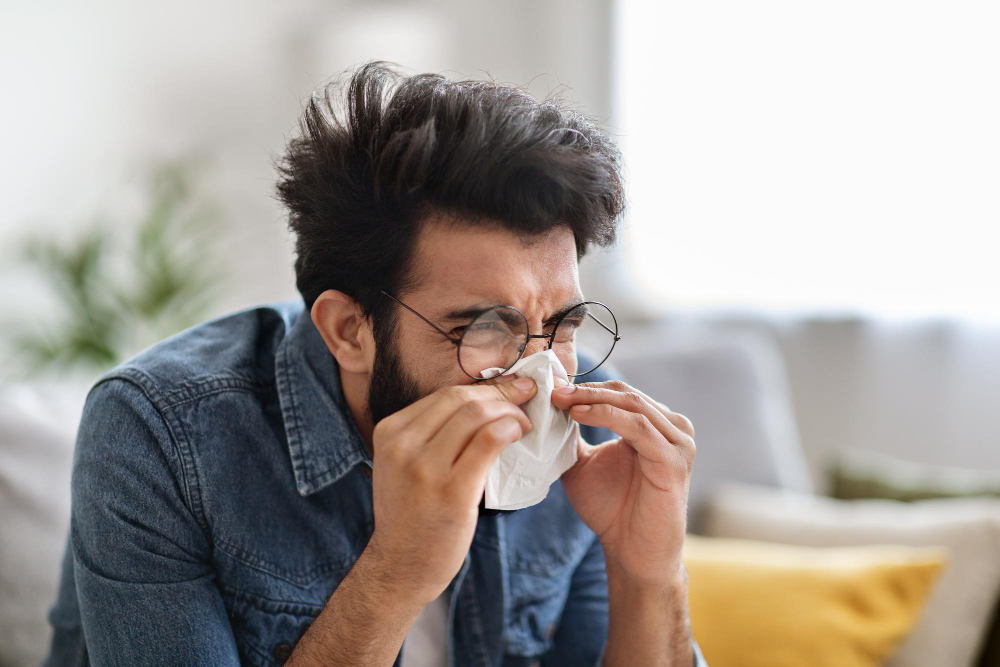
Allergic Rhinitis, also called hay fever, is a common condition. It happens when your body reacts to allergens like pollen, dust, or pet dander. These allergens cause your nose to become swollen and irritated. As a result, you may sneeze, have a runny nose, or feel itchy. Many people experience Allergic Rhinitis during certain seasons, but some have symptoms all year. According to the CDC, millions of people in the United States deal with nasal allergies each year.
Common Symptoms
Allergic Rhinitis can cause many symptoms. Some people have mild signs, while others feel very uncomfortable. For example, you may notice symptoms soon after being near an allergen. Common symptoms include:
Sometimes, symptoms can be worse at certain times of the year. For instance, pollen allergies may peak in spring or fall.
Causes and Risk Factors
Allergic Rhinitis happens when your immune system reacts to harmless things in the air. These things are called allergens. Common causes include:
Some people are more likely to get Allergic Rhinitis. For example, you may have a higher risk if:
In many cities, pollen counts are higher during certain months. So, local weather and plants can affect your symptoms.
Diagnosis
Doctors can often diagnose Allergic Rhinitis by asking about your symptoms and medical history. However, they may also:
Allergy tests help find out what triggers your symptoms. This way, you and your doctor can make a plan to avoid those triggers.
Treatment Options
There are many ways to treat Allergic Rhinitis. Your doctor may suggest:
It is important to follow your doctor’s advice. Some medicines work best when used before you are exposed to allergens.
Lifestyle Tips and Home Remedies
Besides medicine, you can try simple steps at home. These tips may help reduce your allergy symptoms:
With these steps, you may notice fewer symptoms, especially during allergy season.
Prevention Strategies
While you cannot always avoid Allergic Rhinitis, you can lower your risk. Try these prevention strategies:
By planning ahead, you can enjoy outdoor activities with fewer problems.
When to See a Doctor
Sometimes, home care is not enough. You should see a doctor if:
Early treatment can prevent complications and help you feel better sooner.
If you think you have Allergic Rhinitis, consult a healthcare professional for personalized advice on managing your symptoms.